
Sweet Change Review: Is Monk Fruit Sweetener Actually Worth Switching To?
A closer look at Sweet Change's monk fruit sweetener — how it compares to sugar and other sugar substitutes, and who it's actually suited for.
R
By RohitAffiliate disclosure: We may earn a commission from links on this page at no extra cost to you.
A closer look at Sweet Change's monk fruit sweetener — how it compares to sugar and other sugar substitutes, and who it's actually suited for.
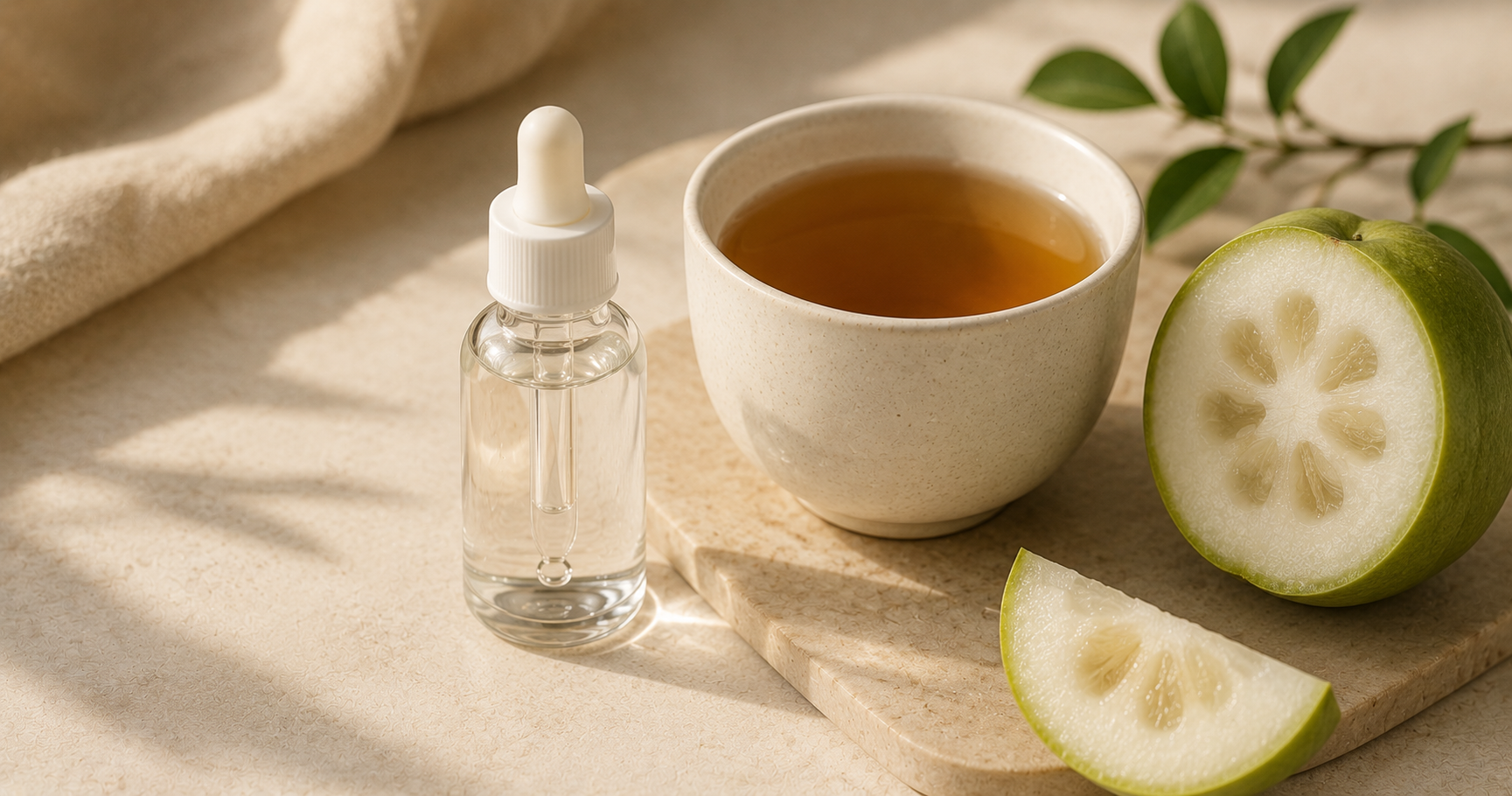
Most "sugar-free" sweeteners on the market aren't actually what they claim to be — many rely heavily on erythritol or artificial sweeteners bulked up with minimal amounts of the natural ingredient advertised on the label. Sweet Change positions itself differently, built around 100% monk fruit with no erythritol added. Here's a closer look at what that actually means.
Monk fruit (also called luo han guo) is a small melon native to Southeast Asia, naturally sweet due to compounds called mogrosides — these provide sweetness without contributing meaningful calories or affecting blood sugar the way regular sugar does. It's been used in traditional Chinese medicine for centuries, and has gained mainstream popularity more recently as a natural sugar alternative.
This is genuinely important context most sugar-free product labels don't make obvious: many "monk fruit sweeteners" on the market are actually mostly erythritol (a sugar alcohol) bulked with a small percentage of actual monk fruit extract — sometimes as little as 2%. Sweet Change's positioning specifically addresses this by using pure monk fruit without erythritol as a filler.
This matters for a few practical reasons:
Since monk fruit doesn't spike blood glucose the way regular sugar does, it's commonly used by people managing diabetes or generally trying to reduce blood sugar spikes from their diet.
With zero calories and zero glycemic index, monk fruit sweetener allows for sweetness in tea, coffee, or cooking without the caloric or metabolic impact of regular sugar.
Since Sweet Change specifically avoids erythritol, it's a relevant option for anyone who's experienced digestive discomfort with erythritol-based sweeteners in the past.
Sweet Change offers both liquid drops and powder formats, which suit slightly different use cases:
The biggest thing to check on any "monk fruit sweetener" label isn't the front-of-pack claim — it's the actual ingredient list. If erythritol or another bulking agent is listed before monk fruit extract, it's not primarily a monk fruit product, regardless of what the packaging emphasizes.
Monk fruit sweetener has a zero glycemic index and doesn't spike blood sugar, making it a commonly used option for people managing diabetes — though checking with a healthcare provider for individual dietary guidance is always worthwhile.
Pure monk fruit sweetener is often described as tasting close to sugar, without the cooling aftertaste sometimes associated with erythritol-based or artificial sweeteners.
Erythritol is generally considered safe for most people, but some experience digestive discomfort with it, and products bulked mostly with erythritol aren't primarily delivering the monk fruit benefits implied by the packaging.
Sweet Change's positioning around pure monk fruit without erythritol addresses a genuine gap in how many "natural" sweeteners are actually formulated — worth considering if ingredient transparency and blood sugar management matter to your specific dietary goals.
About the author
Rohit
Rohit writes for Moneyme on Wellness, vetting offers and comparing providers so readers can choose with confidence.